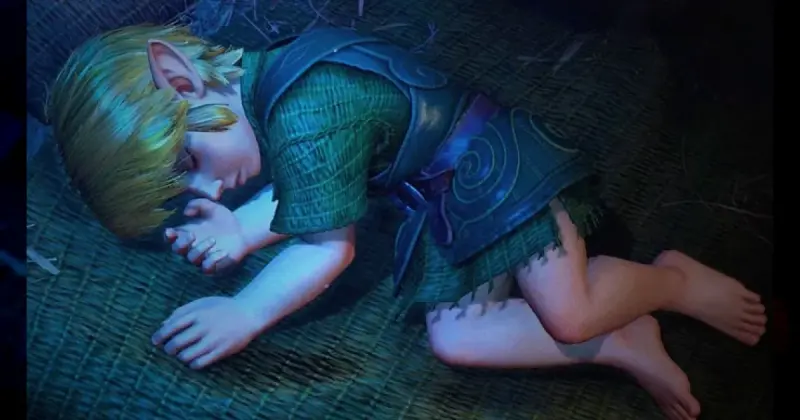
The Legend of Zelda: Ocarina of Time Remake Reveal in Unreal Engine 2026
The latest The Legend of Zelda: Ocarina of Time remake reveal is exactly the kind of gaming story that spreads fast: a beloved Nintendo classic rebuilt in Unreal Engine, shown off to a huge audience, and instantly debated across social media. The reaction has been split between excitement at seeing Hyrule with modern lighting and skepticism about whether a fan-led remake can ever truly capture the original’s magic.
That split matters because Ocarina of Time is not just any Zelda game. Developed by Nintendo EAD and published by Nintendo in 1998, it remains one of the most influential action-adventure games ever made, shaping the design language of 3D exploration for decades. A remake in Unreal Engine naturally invites comparison with modern remakes like Resident Evil 4, Dead Space, and fan projects such as AM2R or Skyrim overhaul mods, but Zelda carries a different kind of emotional weight.
In practical terms, the reveal is less about a commercial release and more about the tension between nostalgia and reinvention. Some viewers saw a dream upgrade; others saw a visual style that felt too far removed from the blocky, moody identity of the original Nintendo 64 game. That disagreement is the story.
The Legend of Zelda: Ocarina of Time Remake and the New Unreal Engine Look
The Legend of Zelda: Ocarina of Time remake is being discussed because the new footage shows a dramatically updated presentation built with Unreal Engine, giving the world richer materials, stronger lighting, and more cinematic character rendering. The result is a version of Hyrule that looks more like a modern fantasy showcase than a direct preservation of the N64 original.
That approach has clear appeal. Unreal Engine is widely used for high-end visual production because it excels at realistic shadows, volumetric atmosphere, and surface detail, which can make locations such as Kokiri Forest, Hyrule Field, and the Temple of Time feel freshly imagined rather than simply upscaled. But for a game so defined by tone and abstraction, realism can be a double-edged sword.
Fan remakes often succeed when they preserve the emotional silhouette of the original while improving readability and performance. The most common concern in this case is that a visually richer Zelda remake may unintentionally change how players remember the game: not just as a classic adventure, but as a specific era of Nintendo design built around limitation, color contrast, and symbolic environments.
- Developer of the original: Nintendo EAD
- Publisher of the original: Nintendo
- Genre: Action-adventure, fantasy, puzzle exploration
- Engine for the remake reveal: Unreal Engine
- Original release year: 1998
Why Fans Reacted with Confusion and Delight to the Zelda Remake
The mixed reception is easy to understand if you look at what fans expect from a remake versus what they actually saw. A remake is often judged on two competing goals: faithfulness and transformation. If you preserve too much, the project can feel redundant; if you change too much, longtime fans may feel the soul of the original has been lost.
For many players, the first reaction was delight simply because seeing Ocarina of Time in a modern engine is inherently impressive. The dream of exploring the Lost Woods, Lake Hylia, or the Gerudo Valley with current-generation rendering has existed for years, and Unreal Engine makes that fantasy feel tangible. For others, the same footage triggered confusion because the art direction appeared closer to a fan-made tech demo than a finished Nintendo-style remake.
This is where comparable games matter. Resident Evil 2 and Resident Evil 4 remakes worked because they preserved the identity of the originals while modernizing control feel, pacing, and camera work. Meanwhile, ambitious fan rebuilds of classics like Skyrim or Final Fantasy VII often divide audiences when their visual interpretation strays too far from memory. Zelda is especially sensitive to this because its fans are not only attached to the gameplay, but to the exact emotional texture of the world.
The other reason for the split is simple: people interpret “remake” differently. Some want a near one-to-one modernization with cleaner textures and better animation. Others want a reimagining that boldly uses new technology. The reveal seems to sit somewhere in the middle, which is often the hardest place to please everyone.
How an Unreal Engine Zelda Remake Compares to Other Modern Remakes
In the modern remake market, visual fidelity alone is no longer enough. Players now expect animation quality, camera behavior, combat responsiveness, and level readability to improve alongside graphics. That is why a remake like this immediately gets measured against Dead Space, Resident Evil 4, and even the visual ambition of Final Fantasy VII Remake.
For Zelda specifically, the bar is different. Ocarina of Time is fundamentally a dungeon-and-exploration game with action combat, light RPG progression, and puzzle design that depends on spatial clarity. A remake in Unreal Engine has to do more than look good; it has to preserve the rhythm of discovery that made the original feel magical on the Nintendo 64.
That means the most valuable question is not “Does it look realistic?” but “Does the remake still feel like Zelda?” If the answer is yes, then a modernized Hyrule could be a huge win for both nostalgia and accessibility. If the answer is no, the project risks becoming a showcase reel rather than a meaningful reimagining.
One practical takeaway for fans is to keep expectations grounded. If this is a fan project, it may evolve slowly, shift direction, or never become a full playable release. If it becomes an officially supported remake concept someday, then Nintendo would likely refine the art direction much further before launch. Either way, the conversation around this reveal shows that Zelda remains one of the most emotionally charged franchises in gaming.
What Zelda Fans Should Watch Next for the Ocarina of Time Remake
If you are following the project closely, the most important things to watch are animation quality, gameplay fidelity, and how closely the remake adheres to the original dungeon structure. Visual upgrades are easy to showcase in a trailer, but camera control, enemy timing, and puzzle readability decide whether a remake is actually enjoyable.
It is also worth watching whether the project keeps the more iconic Nintendo atmosphere or leans into a highly realistic style. The safest remake strategy for a game like Ocarina of Time is usually a middle path: modern enough to feel current, but stylized enough to preserve the original identity. That balance is what helped many players appreciate Link’s Awakening on Switch, even though it took a very different artistic route.
For players who want to revisit Zelda classics while waiting for more official news, this is a good time to check game deals, legacy collections, and related adventure titles on TuniGamers. Digital keys are often the fastest way to jump back into older favorites or fill in gaps in a franchise library without waiting for physical stock.
If the remake ever becomes a commercial product or a related release appears on PC, modern platforms, or cloud services, TuniGamers is also a smart place to compare options quickly and grab your copy with instant delivery. For now, though, the best move is to treat this reveal as a fascinating glimpse at what Zelda could look like through the Unreal Engine lens.
Frequently Asked Questions
Is the Legend of Zelda: Ocarina of Time remake officially confirmed by Nintendo?
No official Nintendo remake announcement has been confirmed in the information provided here. The current discussion is centered on a reveal and the online reaction to the new visuals, so fans should treat any release expectations cautiously until Nintendo or the project creators provide clear details.
Why are fans divided over the Unreal Engine Zelda remake?
Fans are split because the reveal balances two very different expectations: preserving the nostalgic look of the original while also modernizing it dramatically. Some players love the richer lighting and detail, while others feel the new style changes the identity of Ocarina of Time too much.
What makes Ocarina of Time so hard to remake well?
Ocarina of Time is a landmark action-adventure game with a strong sense of atmosphere, pacing, and environmental symbolism. A remake must modernize the visuals and controls without losing the feeling of discovery, which is why even small art direction choices can trigger strong reactions.
Could an Unreal Engine Zelda remake play like the original?
It could, but that depends on how faithfully the controls, camera, and dungeon flow are preserved. A strong remake needs to do more than improve graphics; it has to respect the original gameplay loop that made the Nintendo 64 classic so beloved.
Where can I buy Zelda games or related adventure titles digitally?
If you want to revisit classic adventure games or expand your library, TuniGamers is a convenient place to check for digital keys. It is especially useful for players who want instant delivery and a quick way to compare options across different editions or platforms.
Updated 09 Sep 2026
Sources
Related Posts

BlizzCon 2026 Opening Ceremony: Everything Announced and What It Means
BlizzCon 2026 opening ceremony coverage is packed with World of Warcraft, Diablo, and rumored StarCraft news. Here’s everything announced, plus what it means for players.

Halo’s 2027 cover reveal was for the novel Fireteam Noble
Halo: Fireteam Noble is a Troy Denning novel announced for early 2027. Its cover reveal did not announce the next multiplayer Halo game.

BlizzCon 2026 Opening Ceremony Guide: Biggest Blizzard Announcements
BlizzCon 2026 Opening Ceremony is Blizzard Entertainment’s biggest stage for Diablo, Overwatch, StarCraft, and Warcraft news. Here’s what to expect, why it matters, and how to follow every major announcement.

Diablo 5 in 2029: Everything You Need to Know About Blizzard’s Next Epic
Diablo 5 is officially coming in spring 2029, and Blizzard has also confirmed a Netflix show is in development. Here’s what the announcement means for fans, platforms, and the future of the series.

BlizzCon 2026 Live Blog Guide: Warcraft, Diablo & StarCraft Rumors
BlizzCon 2026 is set to reveal major Warcraft and Diablo news, with StarCraft rumors stealing the spotlight. Here’s the live blog breakdown, what’s confirmed, and what fans should expect.