Diablo 4 Season 14 SSF Mode Guide 2026: The Solo Challenge Fans Wanted: confirmed details
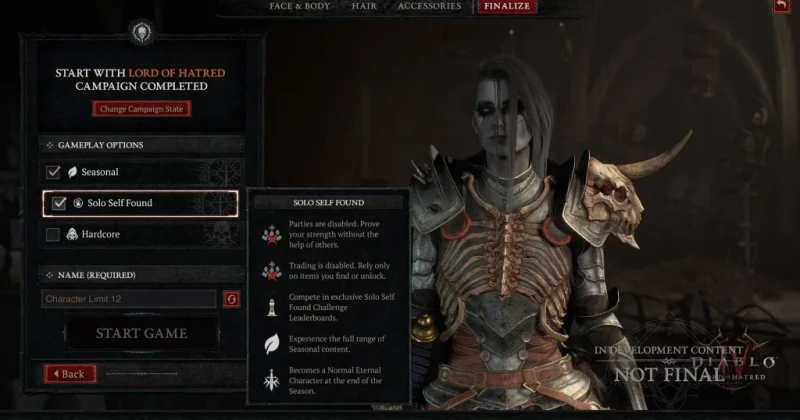
Diablo 4 Solo-Self-Found mode is coming in Season 14, giving players a dedicated solo-only challenge path for Blizzard’s action RPG. In plain terms, SSF means you can’t party up, trade gear, or rely on other players to accelerate your progression, making every item and upgrade fully self-earned.
Solo-Self-Found (SSF) in Diablo 4 is a seasonal character mode built for players who want a purer, more self-reliant ARPG experience. It removes trading and group play advantages, so your power curve depends entirely on your own drops, crafting, and build decisions rather than the multiplayer economy.
Blizzard revealed the feature through the Season 14 Public Test Realm patch notes, alongside item reworks, balance adjustments, and new seasonal mechanics. That timing matters: it means SSF is not just a small toggle, but part of a broader attempt to make the next seasonal reset feel meaningfully different for both veterans and newcomers.
For many Diablo fans, this is overdue. The ARPG genre has long treated SSF as a prestige ruleset, especially in games like Path of Exile, where solo-only progression has become a respected way to play. Bringing it to Diablo 4, developed by Blizzard Entertainment and published by Blizzard, signals that the game is embracing a more specialized endgame identity.
Key Details: How Diablo 4 SSF Will Work
According to the PTR notes, Diablo 4’s SSF characters will be seasonal-only. They will not be able to join parties or trade with other players, and their progression will stay isolated from the normal social economy. Shared systems still exist in a limited form, but the mode is designed to prevent any outside boost from undermining the challenge.
This matters because Diablo 4 runs on Blizzard’s proprietary engine technology built for a dark, isometric action RPG structure, where loot and build crafting are the backbone of progression. When you remove trade, you also change how players evaluate item drops, upgrade priorities, and farm routes.
- Mode name: Solo-Self-Found (SSF)
- Availability: Season 14 and later seasonal content
- Party play: Disabled for SSF characters
- Trading: Disabled for SSF characters
- Progression style: Self-found gear only
- Character scope: Seasonal only, not permanent seasonal-free access
The practical effect is simple: SSF will reward knowledge, patience, and efficient farming more than market awareness. If you enjoy comparing drops, perfecting builds, and squeezing value out of what the game gives you naturally, this mode should feel far more satisfying than standard seasonal play.
There is also a subtle but important design implication. SSF helps Blizzard balance Diablo 4 more cleanly because the developer no longer has to account for players who skip gearing friction through trade. That can make future item reworks, monster tuning, and seasonal rewards feel more coherent for solo players.
Why This Matters for Diablo 4 Players
SSF is not just a feature for hardcore fans; it solves a real player complaint. A lot of ARPG players feel that trading can flatten the excitement of finding rare loot, while group play can trivialize content through coordinated farming. Diablo 4 Solo-Self-Found gives those players a ruleset that restores tension and makes every upgrade meaningful again.
This also puts Diablo 4 closer to the long-term replayability model seen in Path of Exile and even parts of Grim Dawn, where players often self-impose restrictions to increase satisfaction. In Diablo 4’s case, Blizzard is formalizing that fantasy instead of leaving it to community house rules.
If you mostly play for social dungeon runs, coordinated boss farming, or trade-driven min-maxing, SSF probably is not for you. But if your favorite part of an ARPG is the feeling of being “stuck with what you found” and turning that into a strong build, this is exactly the kind of mode that can extend a game’s lifespan.
It also gives seasonal players a cleaner reason to start over. Seasonal resets can feel repetitive when the only change is a balance tweak or a new mechanic. SSF adds a different social contract: no hand-holding, no marketplace shortcuts, and no excuses when the loot gods are stingy.
How SSF Changes the Way You Should Play
Once SSF arrives, your priorities in Diablo 4 should shift away from market-based optimization and toward self-sufficient progression. That means choosing builds that function well with common or moderately rare drops, and planning around the gear you are realistically likely to find rather than the gear you can afford to buy.
- Pick a build with low gear dependency early. Classes and specs that scale well off core skills, defensive nodes, and easy-to-roll affixes will feel much better.
- Farm content with reliable reward density. Focus on activities that give consistent loot per minute instead of chasing the rarest possible drop route.
- Respect defensive stats. In SSF, surviving bad drop luck matters more, so armor, resistances, and cooldown reduction become critical.
- Save upgrades carefully. Because you can’t just buy a perfect replacement, incremental upgrades matter more than usual.
- Track your crafting materials. SSF success often comes from smarter rerolls and upgrades, not only from better base items.
Players used to standard seasonal economies may need a mindset shift. If you are coming from games like Diablo II: Resurrected or Path of Exile, you already understand that solo progression is slower, but often far more rewarding. The challenge is not only surviving fights; it is making your entire progression loop self-sustaining.
What This Means for the Future of Diablo 4
SSF is a good sign that Blizzard is listening to a specific kind of ARPG audience: the players who care less about social convenience and more about mastery. If Season 14’s SSF implementation lands well, it could open the door to more rule-based modes, stricter seasonal ladders, or even unique reward tracks for solo players.
It could also improve the game’s long-term identity. Diablo 4 has often been compared with Diablo III, Path of Exile, and Last Epoch in terms of loot structure and endgame pacing. By adopting SSF, Blizzard is not copying competitors so much as recognizing that modern ARPG players want more than one valid way to progress.
For most players, the biggest question will be simple: is SSF worth it? The answer is yes if you want a tougher, more personal seasonal journey. Skip it if your fun comes from trading, group farming, or fast power spikes through social coordination. The feature is optional, but for the right player, it could become the best way to enjoy Diablo 4.
Where to Buy or Get Ready for Diablo 4
If you have not picked up Diablo 4 yet, or you want to jump back in for Season 14, check TuniGamers for digital game keys and codes with instant delivery. It is an easy way to get ready before the new season drops, especially if you want to start fresh and test SSF from day one.
Seasonal players who are planning a return should also make sure their build knowledge is up to date before launch. A fresh character, a clean stash plan, and a good understanding of loot priorities will matter more in SSF than in any trade-friendly season. If you are buying in now, TuniGamers is a solid place to grab your copy and prepare for the new challenge.
Frequently Asked Questions
What is Solo-Self-Found in Diablo 4?
Solo-Self-Found, or SSF, is a mode where your Diablo 4 character cannot party with other players or trade for gear. You must progress entirely through items and resources you find yourself, which creates a harder and more rewarding seasonal experience.
When is Diablo 4 SSF coming out?
Blizzard introduced SSF details as part of the Season 14 Public Test Realm notes, so the mode is expected to arrive with that seasonal update. Exact live timing can shift if Blizzard makes further balance changes based on PTR feedback.
Can you trade in Diablo 4 SSF mode?
No. Trading is disabled for SSF characters, which is the core part of what makes the mode self-contained. This prevents players from using the economy to bypass loot progression and keeps the challenge focused on self-found gear only.
Is SSF good for casual players?
It can be, but only if you enjoy slower progression and a more personal sense of achievement. Casual players who want easier gearing, faster group farming, or social dungeon runs may prefer the standard seasonal mode instead.
Will SSF change the best builds in Diablo 4?
Yes, at least indirectly. Builds that rely heavily on rare gear or trade-driven optimization may become less attractive, while flexible builds with strong baseline power and reliable defense will likely perform better in SSF.
Updated 18 Sep 2026
Related Posts

BlizzCon 2026 Opening Ceremony: Everything Announced and What It Means
BlizzCon 2026 opening ceremony coverage is packed with World of Warcraft, Diablo, and rumored StarCraft news. Here’s everything announced, plus what it means for players.

Halo 2027 Return Revealed: What Fans Need to Know Now
The Halo 2027 return is finally generating real momentum, and fans want answers about the next mainline multiplayer game. Here’s what the announcement means, what remains unconfirmed, and why it matters for Master Chief and Xbox players.

BlizzCon 2026 Opening Ceremony Guide: Biggest Blizzard Announcements
BlizzCon 2026 Opening Ceremony is Blizzard Entertainment’s biggest stage for Diablo, Overwatch, StarCraft, and Warcraft news. Here’s what to expect, why it matters, and how to follow every major announcement.

Diablo 5 in 2029: Everything You Need to Know About Blizzard’s Next Epic
Diablo 5 is officially coming in spring 2029, and Blizzard has also confirmed a Netflix show is in development. Here’s what the announcement means for fans, platforms, and the future of the series.

BlizzCon 2026 Live Blog Guide: Warcraft, Diablo & StarCraft Rumors
BlizzCon 2026 is set to reveal major Warcraft and Diablo news, with StarCraft rumors stealing the spotlight. Here’s the live blog breakdown, what’s confirmed, and what fans should expect.