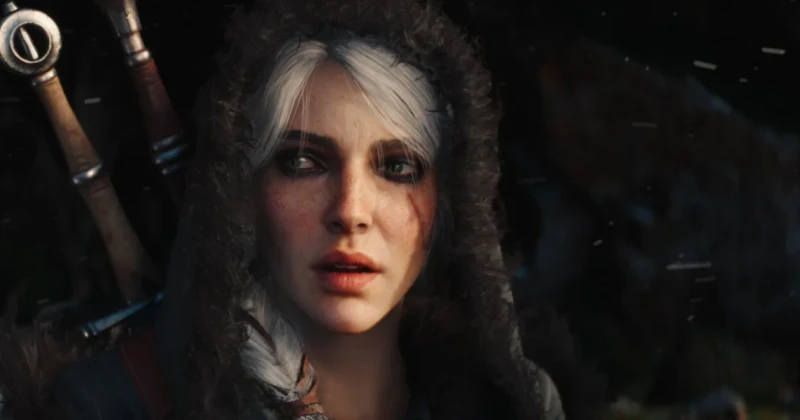
The Witcher 4 in 2026: How CD Projekt Red’s Tech Demo Changes Everything: confirmed details
The Witcher 4 is not out yet, but its latest GDC 2026 tech demo gives us the clearest sign so far that CD Projekt Red is targeting a huge leap in visual fidelity. Built by CD Projekt Red and published by CD Projekt, the next mainline entry in the open-world action RPG series is being shown with advanced path tracing and a rendering approach called megageometry.
The Witcher 4 tech demo in 2026 shows how CD Projekt Red is using path tracing and megageometry to render denser forests, more detailed character models, and far more natural lighting than The Witcher 3 ever could. It is not a gameplay release date reveal, but it is a strong indicator of the visual target for the game.
That matters because this is not just marketing sparkle. The studio is openly demonstrating the kind of scene complexity, light bounce, and environmental detail it wants players to expect on next-generation hardware. If you were hoping for a prettier version of The Witcher 3, this is already bigger than that.
The Witcher 4 is being built on Unreal Engine 5, which is a major shift from the studio’s in-house REDengine used on earlier projects like The Witcher 3: Wild Hunt and Cyberpunk 2077. That engine swap is important: it suggests CD Projekt Red is leaning heavily on third-party rendering tools to scale ambition without repeating old performance problems.
Key Details: What the Tech Demo Actually Shows
The most interesting part of the GDC 2026 presentation is not that the game looks “good.” Plenty of trailers look good. The real story is that The Witcher 4 appears designed around dense geometry, layered foliage, and lighting that behaves more like a high-end offline renderer than a typical real-time RPG.
Megageometry is the headline rendering concept here. In practical terms, it allows a scene to hold and display an enormous amount of geometric detail without relying as heavily on traditional trickery such as flat textures or obvious impostors for distant objects. That can make cliffs, trees, armor, and architecture feel physically present rather than painted on.
- Developer: CD Projekt Red
- Publisher: CD Projekt
- Engine: Unreal Engine 5
- Genre: Open-world action RPG
- Rendering focus: Path tracing, megageometry, dense environmental detail
- Franchise: The Witcher
The path tracing shown in the demo also suggests a major leap in how light will travel through the world. Compared with the baked lighting and selective ray tracing seen in many modern games, path tracing can create richer shadows, more accurate reflections, and more believable indoor-to-outdoor transitions. For a game like The Witcher 4, where gloomy forests, candlelit interiors, and stormy landscapes are core to the atmosphere, this is a huge deal.
If you are tracking this as a gamer rather than a tech hobbyist, the takeaway is simple: CD Projekt Red wants the next Witcher to look less like a game engine showcase and more like a living fantasy world. That ambition is exactly why the demo is generating so much hype.
Why This Tech Demo Matters for Gamers
For players, the most important question is not whether the demo looks impressive. It is whether that visual ambition will translate into a better RPG experience. In the best case, more detailed geometry and better lighting make exploration, combat readability, and mood dramatically stronger. A muddy cave, a misty swamp, or a royal hall can feel more immersive when the world is built from real-looking surfaces instead of approximate visual shortcuts.
There is also a strong historical angle here. The Witcher 3: Wild Hunt became beloved not only for writing and quests, but because it established a high-water mark for open-world atmosphere. If The Witcher 4 can preserve that identity while pushing visual density closer to modern titles like Horizon Forbidden West, Dragon’s Dogma 2, or even the most detailed scenes in Cyberpunk 2077, CD Projekt Red could reset expectations again.
Still, there is a practical warning baked into any demo that features heavy path tracing: performance is the big question. Even high-end PCs can struggle with full path tracing, and console targets may need smart compromises such as temporal reconstruction, selective quality modes, or a 30 FPS presentation. That does not make the tech demo less exciting, but it does mean players should expect a long optimization journey before launch.
In other words, this is the kind of preview that helps enthusiasts dream, but it also tells cautious buyers to wait for real performance data before preordering. If you’re the type who wants the game at launch, keep an eye on hardware requirements and benchmarks. If you prefer value, waiting for a later edition or discount on TuniGamers may be the smarter move.
What It Could Mean for Performance and Hardware
The phrase gamers will want to remember is reduce stuttering PC—because a showcase like this only becomes meaningful if the final game runs smoothly. Path tracing can deliver stunning images, but it often increases frame-time pressure, memory usage, and GPU load. Megageometry also implies heavier asset streaming, which can stress storage and CPU pipelines if not handled well.
That does not mean The Witcher 4 will be unplayable on ordinary systems. It means the likely best experience will depend on modern GPUs, strong upscaling support, and smart engine optimization from day one. On PC, players will probably look for settings that balance shader compilation, ray tracing, and texture quality to keep the experience stable.
- Likely high-demand features: Path tracing, ray-traced lighting, dense vegetation, advanced shadows
- Likely performance helpers: DLSS, FSR, frame generation, shader compilation caching
- Potential bottlenecks: GPU load, VRAM pressure, traversal stutter, CPU streaming limits
For console players, the big question is whether CD Projekt Red can deliver a stable visual mode that still feels premium. The studio has learned hard lessons from past launches, so the tech demo is as much a promise as it is a test: can Unreal Engine 5 support a massive fantasy RPG without the rough edges that often follow ambitious graphics?
How to Read This Demo Like a Smart Buyer
If you’re considering The Witcher 4 as a future purchase, treat this tech demo as evidence of direction, not a final product guarantee. The visuals suggest a premium, high-end RPG that will likely favor newer hardware and players who care deeply about atmosphere, exploration, and technical showcase value.
That means the game will probably be a day-one must-have for fans of the franchise, but a wait-and-watch title for anyone sensitive to launch performance. If CD Projekt Red lands the optimization, this could be one of 2026’s most important releases. If not, it may still become great after patches, just like many ambitious open-world games before it.
When the game is ready to buy, check TuniGamers for digital keys and instant delivery. It is a smart place to compare editions, secure your copy quickly, and avoid the hassle of physical stock. If CD Projekt Red offers different versions at launch, the standard edition will likely be the safest first buy unless you specifically want collectibles or bonus content.
Frequently Asked Questions
Is The Witcher 4 confirmed to use Unreal Engine 5?
Yes. CD Projekt Red has publicly moved The Witcher 4 to Unreal Engine 5, which is a major change from the studio’s older REDengine workflow. That shift is intended to improve scalability, world-building tools, and long-term development efficiency.
What is megageometry in The Witcher 4?
Megageometry is a rendering technique designed to display much more detailed geometry in real time. In practice, it can make environments, characters, and objects look more physically rich and less dependent on visual shortcuts, which is ideal for a dense fantasy RPG world.
Will The Witcher 4 require a high-end PC?
Very likely, yes, especially if you want the full visual experience shown in the tech demo. Path tracing is demanding, so players should expect strong GPU requirements and modern upscaling support if they want stable performance at higher settings.
Is this tech demo the same as gameplay footage?
No. A tech demo is meant to showcase rendering technology, engine capabilities, and visual targets rather than final gameplay systems. It is still useful, but it should not be treated as a final performance or content preview.
Where can I buy The Witcher 4 when it launches?
When preorders or launch keys become available, TuniGamers is a practical option for digital game keys. It is especially useful if you want instant access, easy edition comparison, and a straightforward checkout experience.
Read Also:
- 2026 Resident Evil Steam Release: How to Play the OG Trilogy Now
- How to Get Prototype Gear in The Division 2 (2026) — Fast Guide
- Diablo 4 Lord of Hatred 2026 Cutscene Guide: What It Means
Updated 18 Sep 2026
Related Posts

BlizzCon 2026 Opening Ceremony: Everything Announced and What It Means
BlizzCon 2026 opening ceremony coverage is packed with World of Warcraft, Diablo, and rumored StarCraft news. Here’s everything announced, plus what it means for players.

Halo 2027 Return Revealed: What Fans Need to Know Now
The Halo 2027 return is finally generating real momentum, and fans want answers about the next mainline multiplayer game. Here’s what the announcement means, what remains unconfirmed, and why it matters for Master Chief and Xbox players.

BlizzCon 2026 Opening Ceremony Guide: Biggest Blizzard Announcements
BlizzCon 2026 Opening Ceremony is Blizzard Entertainment’s biggest stage for Diablo, Overwatch, StarCraft, and Warcraft news. Here’s what to expect, why it matters, and how to follow every major announcement.

Diablo 5 in 2029: Everything You Need to Know About Blizzard’s Next Epic
Diablo 5 is officially coming in spring 2029, and Blizzard has also confirmed a Netflix show is in development. Here’s what the announcement means for fans, platforms, and the future of the series.

BlizzCon 2026 Live Blog Guide: Warcraft, Diablo & StarCraft Rumors
BlizzCon 2026 is set to reveal major Warcraft and Diablo news, with StarCraft rumors stealing the spotlight. Here’s the live blog breakdown, what’s confirmed, and what fans should expect.