Total War: Warhammer 3 in 2026: New Endgames, Victory Rules & More: confirmed details
Total War: Warhammer 3 is getting one of its most meaningful campaign updates yet in 2026, with Creative Assembly adding new endgame scenarios, individual victory conditions, a Vampire Counts rework, and three new champions for Nurgle. The headline change is that campaign runs should feel less samey, more reactive, and far more tailored to the faction you are playing.
In practical terms, this update gives players more ways to win, lose, and survive the late game. Instead of every campaign drifting toward the same conquest grind, the new systems push each faction toward unique objectives and climactic threats. It is a major quality-of-life improvement for a grand strategy game built on replayability, faction identity, and long-form campaign experimentation.
The update also matters because Total War: Warhammer 3, developed by Creative Assembly and published by SEGA, runs on the studio’s proprietary Warscape engine and lives or dies by campaign pacing. In a strategy title like this, late-game fatigue can be a bigger enemy than any Chaos invasion, so adding more structure to the final acts is a smart move.
Key Details: New Endgames, Victory Conditions, and Reworks
The most important part of this announcement is the expansion of the endgame crisis concept. Total War: Warhammer 3 already lets the campaign erupt into chaos when major factions or supernatural threats rise at the end of a run, but the new approach appears to broaden both the variety and the agency around those climaxes. Players are not just reacting to a scripted disaster; they may be able to become the disaster themselves.
That “become an endgame crisis” idea is especially exciting for sandbox fans. It suggests a campaign model where factions can evolve into a late-game existential threat based on progress, territory, or objectives, rather than waiting for a fixed timer. For a game that already thrives on emergent storytelling, that is a very natural extension of the formula.
Creative Assembly is also introducing individual victory conditions, which should be a major relief for players tired of generic domination goals. In a strategy game with wildly different starts, economies, and race mechanics, victory should not always mean the same thing. Unique objectives can make campaigns feel more like authored mini-epics and less like checklist grinds.
- New endgame scenarios for more varied late-game pressure
- Faction-specific victory conditions to replace one-size-fits-all goals
- Vampire Counts rework to modernize an older faction’s campaign identity
- Nurgle’s three champions to deepen roster variety and thematic flavor
- Potential player-controlled crisis states for more dynamic campaigns
The Vampire Counts rework is another important piece. The faction has always had strong lore, strong aesthetics, and memorable battlefield play, but campaign systems can age faster than unit design. A rework can refresh economy flow, lord progression, and campaign incentives, making the faction feel better aligned with newer content from factions like the Chaos Dwarfs or Tomb Kings.
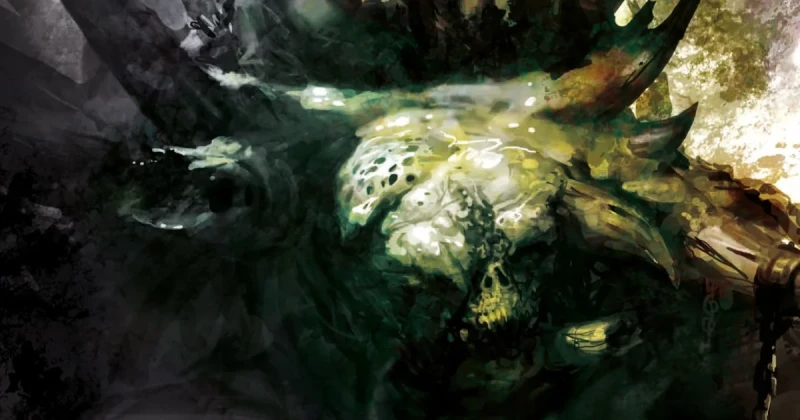
Then there is Nurgle, the plague god’s faction of rot, decay, and infectious durability. The new champions are being pitched as his “grossest” additions, which is exactly the sort of tone Total War: Warhammer 3 fans expect. Nurgle’s roster already leans into attrition and board control; fresh legendary characters should give players more ways to turn disease into a strategic weapon.
Why This Matters for Gamers
This update matters because Total War: Warhammer 3 has always been at its best when it feels like a living world instead of a static conquest map. The biggest criticism of long grand strategy campaigns is not difficulty; it is repetition. Once players understand the optimal expansion path, the late game can become a slow march to an inevitable victory screen.
By adding new endgames and individual victory conditions, Creative Assembly is directly attacking that problem. The design philosophy is closer to what makes games like Civilization VI, Crusader Kings III, and even Age of Wonders 4 so replayable: faction identity and victory structure should shape the entire campaign, not just the opening turns.
The comparison to Total War: Warhammer 2 is also important. That game laid the foundation for the Immortal Empires sandbox, but Warhammer 3 has had to prove that it can keep that sandbox interesting over hundreds of hours. More unique victory conditions could finally make campaign completion feel personal, especially for players who love roleplaying lore-accurate campaigns rather than speedrunning domination.
There is also a business angle here. Strategy fans are often cautious about returning to a game unless a patch genuinely changes the experience. A Vampire Counts overhaul and faction-specific win conditions are the kind of additions that can pull lapsed players back in, especially if they already own previous DLC and want a fresh reason to start a new campaign. If you are planning to jump back in, check TuniGamers for digital keys and expansions at instant delivery prices.
What to Expect From the New Campaign Flow
Expect more replayability, but also expect a learning curve. Individual victory conditions can be fantastic because they reward faction fantasy, yet they also require clearer UI, better quest tracking, and sensible pacing. If Creative Assembly gets the balance right, campaigns should feel less like chores and more like distinct narrative arcs.
The most interesting part is the possibility of player-driven crisis states. That could make powerful empires feel genuinely dangerous to the world, which is exactly the kind of fantasy the Warhammer setting is built on. Imagine finishing a campaign not just by conquering the map, but by triggering a world-ending state that other factions must survive or suppress.
For fans of Skaven, Dark Elves, or Warriors of Chaos, that kind of systemic escalation is a huge win. It mirrors the best parts of tabletop Warhammer: asymmetrical factions, escalating threats, and a sense that every campaign is its own apocalypse.
Best way to think about the update
If you mainly play for battles, this patch still helps, but the biggest gains are in campaign design. If you love lore, roleplay, or trying multiple legendary lords, these changes should make each run feel more distinct. If you burned out on conquest loops, this is exactly the sort of refresh that can make the game worth reinstalling.
What This Means for Returning and New Players
For returning players, the update is a good excuse to revisit old favorite factions. The Vampire Counts rework may finally make their campaign layer feel as undead-powerful as their battlefield presence, while Nurgle’s new champions should make his faction feel less like a gimmick and more like a full-featured choice in the modern meta.
For new players, the message is simple: Total War: Warhammer 3 is becoming easier to recommend because the campaign is getting more bespoke. In a game with dozens of lords, multiple races, and a huge Immortal Empires map, personalization is not a luxury; it is the difference between a memorable 80-hour run and an abandoned save file.
If you are buying in 2026, it is worth checking edition pricing carefully, especially if you want older race packs or lord packs that expand the roster. TuniGamers is a convenient place to grab digital game keys if you want to jump in quickly or pick up missing content without hunting across multiple storefronts.
Frequently Asked Questions
What is the new endgame system in Total War: Warhammer 3?
The new endgame system expands campaign finales with more varied late-game crises and stronger faction-specific outcomes. Instead of every campaign ending in a similar conquest grind, players should face more tailored threats and, in some cases, may even become the crisis themselves.
What are individual victory conditions?
Individual victory conditions are faction-specific goals that replace or supplement generic win requirements. They matter because they let each race pursue a campaign objective that matches its lore and mechanics, making victories feel more meaningful and less repetitive.
Is the Vampire Counts rework a full overhaul?
Based on the announcement, it appears to be a meaningful campaign refresh rather than a minor tuning pass. That usually means changes to progression, incentives, and faction identity, which is exactly what older factions need to keep pace with newer content.
Will the Nurgle champions change multiplayer too?
New legendary lords or champions often affect both campaign and battle balance, depending on how Creative Assembly implements them. Even if the main appeal is in single-player, any roster addition can shift multiplayer matchups and faction pick rates.
Is Total War: Warhammer 3 worth playing in 2026?
Yes, especially if you enjoy grand strategy, asymmetrical factions, and campaign replayability. With new endgame systems, better victory structure, and faction updates, 2026 looks like one of the strongest times to jump back in or start fresh.
Updated 18 Sep 2026
Related Posts

BlizzCon 2026 Opening Ceremony: Everything Announced and What It Means
BlizzCon 2026 opening ceremony coverage is packed with World of Warcraft, Diablo, and rumored StarCraft news. Here’s everything announced, plus what it means for players.

Halo 2027 Return Revealed: What Fans Need to Know Now
The Halo 2027 return is finally generating real momentum, and fans want answers about the next mainline multiplayer game. Here’s what the announcement means, what remains unconfirmed, and why it matters for Master Chief and Xbox players.

BlizzCon 2026 Opening Ceremony Guide: Biggest Blizzard Announcements
BlizzCon 2026 Opening Ceremony is Blizzard Entertainment’s biggest stage for Diablo, Overwatch, StarCraft, and Warcraft news. Here’s what to expect, why it matters, and how to follow every major announcement.

Diablo 5 in 2029: Everything You Need to Know About Blizzard’s Next Epic
Diablo 5 is officially coming in spring 2029, and Blizzard has also confirmed a Netflix show is in development. Here’s what the announcement means for fans, platforms, and the future of the series.

BlizzCon 2026 Live Blog Guide: Warcraft, Diablo & StarCraft Rumors
BlizzCon 2026 is set to reveal major Warcraft and Diablo news, with StarCraft rumors stealing the spotlight. Here’s the live blog breakdown, what’s confirmed, and what fans should expect.