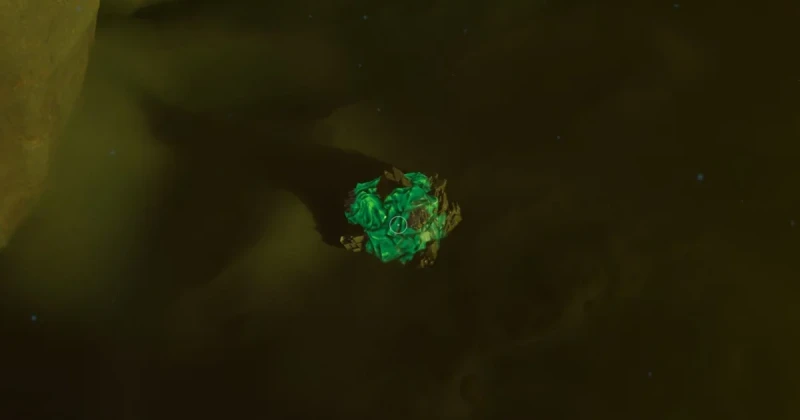
What is Troilite and Why It Matters
Troilite is a rare progression resource in Subnautica 2, the survival-crafting sequel developed and published by Unknown Worlds Entertainment. In practical terms, it is a mid-game crafting material tied to high-value upgrades, especially Mangalloy Ingots and the Photovoltaic Charger, which makes it much more important than a simple one-off mineral.
If you are wondering how to get Troilite in Subnautica 2, the short answer is that you need to explore deeper, colder, and more hazardous zones where the game hides advanced ores and thermal-rich deposits. It is not usually sitting in shallow starter biomes, so most players miss it until they push past early-base survival into real exploration.
Troilite is usually found in geologically active areas, near mineral-heavy outcrops or deep caves, and it is best collected with a vehicle or upgraded diving gear. Think of it as one of those progression gates that forces you to prepare properly before harvesting efficiently, much like nickel and kyanite in the original Subnautica or rarer late-game resources in Subnautica: Below Zero.
Best Troilite Location and How to Find It
The most reliable way to hunt Troilite is to search the deeper biome layers where the seabed becomes more fractured and mineral-dense. In Subnautica 2, that means prioritizing cave systems, thermal zones, and any area with heavy rock formations rather than open-water searching. The resource is often easiest to spot when you scan for unusual orange-red mineral coloration or deposits embedded in darker stone.
Because the game is built around exploration and risk management, the best route is to mark your base, travel outward in a spiral, and scan every major cave branch. If you already have navigation tools and a seaglide-style mobility upgrade, use them to cover more ground without burning through oxygen or power. This approach is much faster than blind roaming.
- Look in deeper biomes rather than shallow starter zones.
- Check cave walls and mineral nodes around thermal vents.
- Carry extra oxygen and batteries before you descend.
- Bring a vehicle if possible to reduce travel time and risk.
- Use a scanner first so you do not waste inventory slots on the wrong deposits.
For players comparing resource hunting efficiency, this is less about combat and more about route planning. Subnautica 2 leans into the same tension that made Subnautica and Below Zero so memorable: the ocean is beautiful, but every valuable material is hidden where the water starts to feel hostile.
How to Mine Troilite Safely and Efficiently
Once you find a Troilite deposit, the goal is to harvest it without getting stranded, lost, or overheated by nearby hazards. The safest method is to approach with a full oxygen supply, a clear exit route, and enough inventory space to avoid forced backtracking. If you are deep enough to worry about pressure, treat the trip like a mini-expedition rather than a quick grab.
- Prepare your loadout with oxygen tanks, batteries, and healing items before leaving base.
- Scan the area so you can confirm whether the deposit is actually Troilite or a similar mineral.
- Mine the deposit using the correct tool or collection method for your version of the game.
- Grab nearby backup resources while you are already in the zone, especially metals and thermal materials.
- Return via your marked route before your power or oxygen gets low.
If you are building toward late-game crafting, focus on quantity and safety over greed. One successful trip can be more valuable than three risky runs that end with lost materials, a dead battery, or a failed escape. That mindset is what separates casual resource gathering from efficient survival-crafting.
What Troilite Is Used For
Troilite matters because it is not just a collectible mineral; it is a crafting bottleneck. In Subnautica 2, it feeds into Mangalloy Ingots, which typically signal access to stronger building components, and the Photovoltaic Charger, a major quality-of-life upgrade for energy management. In a game where power is everything, that makes Troilite a priority, not a side quest.
This is why players should not ignore it after the first discovery. Once you unlock advanced crafting chains, the game tends to ask for multiple copies of rare resources at once, and Troilite can quickly become one of those materials you wish you had stockpiled earlier. If you are planning a serious base build, gather extra instead of waiting until the recipe appears.
In survival-crafting terms, Troilite is a progression accelerant: it helps turn exploration rewards into functional upgrades. That is the same design logic that makes rare resources in games like Grounded, Raft, and Subnautica so compelling—find the right material, and your entire gameplay loop opens up.
Troubleshooting Common Troilite Problems
I found the area, but no Troilite is spawning
This usually means you are in the right biome but the wrong sub-zone, or the deposit type is partially hidden in a cave wall. Move deeper, scan adjacent chambers, and check vertical surfaces. In many survival games, rare resources spawn with limited visibility, so what looks empty may simply be poorly lit or obstructed.
I keep running out of oxygen before I can mine it
That is a route-planning issue, not a resource issue. Upgrade your tank, bring a mobility tool, and establish a temporary outpost or marker near the area. If you are repeatedly dying on the way back, shorten the expedition and return earlier with smaller hauls.
The resource is too risky to farm repeatedly
Then your current gear is underprepared for the biome. Add better lighting, stronger mobility, and more storage before farming in bulk. In games like Subnautica 2, the correct answer is often to come back later once your base tech improves rather than forcing the zone too early.
What This Means for Gamers
Troilite is a classic Subnautica-style progression material because it rewards curiosity while punishing impatience. Players who rush the story may see it as an annoying bottleneck, but survival fans will recognize the intended loop: scan, prepare, dive deeper, and return with a haul that meaningfully upgrades your base and vehicle network.
If you enjoyed the mineral-chasing structure of Subnautica or the exploration economy in Below Zero, Troilite is exactly the kind of resource that keeps the sandbox engaging. It gives purpose to deep-sea scouting and makes every dangerous expedition feel worthwhile. That said, if you prefer clearer quest markers and less environmental puzzle-solving, you may need a few runs before the route clicks.
For players planning their next big survival playthrough, this is also where smart spending matters. If you are grabbing Subnautica 2 or other survival games, check TuniGamers for digital keys and instant delivery. It is an easy way to get started without waiting around, especially if you want to jump straight into resource hunting and base building.
Frequently Asked Questions
Where is the best place to find Troilite in Subnautica 2?
The best place is usually in deeper, hazard-heavy biomes with mineral-rich caves or thermal activity. Start by scanning fractured rock areas and cave walls rather than shallow open water, because Troilite is designed to be a mid-game or late-game discovery rather than an early starter-zone material.
What is Troilite used for in Subnautica 2?
Troilite is used for advanced crafting, especially Mangalloy Ingots and the Photovoltaic Charger. That makes it important for base power management and progression into stronger building and utility upgrades, so it is worth collecting extra whenever you find a safe source.
Do I need a vehicle to get Troilite?
You may not need one for every run, but a vehicle makes farming much safer and more efficient. It reduces oxygen pressure, speeds up travel, and gives you more room to survive deep-zone hazards, which is especially useful if the deposit is far from your base.
Why can’t I see Troilite even after reaching the right biome?
Visibility is often the problem. Troilite may be embedded in dark rock, hidden behind terrain, or placed in a side cave branch you have not explored yet. Use a scanner, improve your lighting, and check higher and lower cave layers before assuming the biome has none.
Is Troilite worth farming early in 2026?
Yes, but only if you can reach it safely. If your gear is still basic, do not force the farm too early. Once you have better oxygen, mobility, and storage, Troilite becomes one of the most valuable materials for smoothing out your progression in Subnautica 2.
Updated 18 Sep 2026
Related Posts

The Blood of Dawnwalker Armor Proficiency Guide 2026: How to Fix Heavy Armor Penalties
The Blood of Dawnwalker armor proficiency determines when Medium Armor and Heavy Armor stop draining stamina and slowing you down. Here’s how the Swordmastery skill tree works, what to unlock first, and how to avoid costly mistakes.

A game leaves Game Pass: what happens to DLC and saves?
Separate catalogue departure from subscription expiry before deciding what to buy or keep.

Reinstall Windows 11: protect files, activation and BitLocker keys
Prepare recovery without confusing repair, wiping a drive and buying another Windows licence.

Steam Cloud conflicts and Xbox saves: protect your progress
Identify the correct save and verify synchronisation before playing on another device.

Fortnite: identify your Epic account before linking a console
Find the account holding your progress and items before changing a console connection.