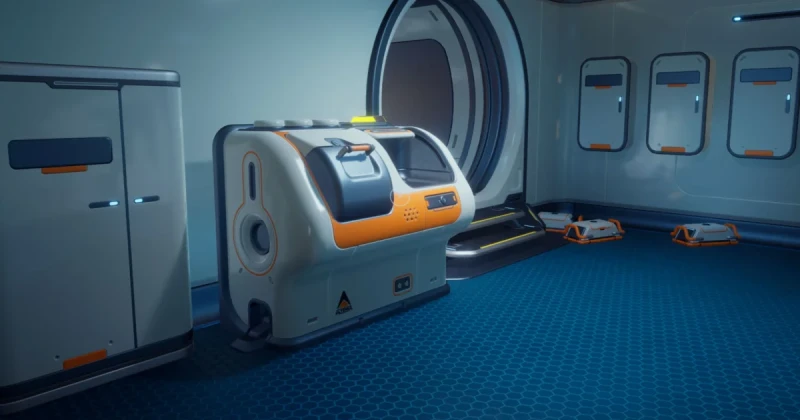
What Are Titanium Ingots in Subnautica 2?
Titanium Ingots are a refined crafting resource in Subnautica 2 that you make from raw Titanium rather than finding in the ocean as a finished item. In the 2026 survival-crafting loop, they act as a mid-game bottleneck because many essential base parts, tools, and progression items require concentrated metal instead of loose scrap.
The short answer: To make Titanium Ingots in Subnautica 2, you first collect Titanium from common salvage or resource nodes, then convert enough of it at a fabrication station into an ingot. The process is simple, but the challenge is gathering enough Titanium efficiently without wasting inventory space or wandering too far from safe zones.
This matters because Subnautica 2, developed by Unknown Worlds Entertainment and published by Krafton, continues the series’ open-world survival-crafting formula with a stronger emphasis on scanning, crafting, and base building. Like Subnautica, Subnautica: Below Zero, and other exploration-heavy survival games such as ARK: Survival Evolved and Grounded, progression is tied to smart resource management.
How to Make Titanium Ingots Step by Step
Titanium Ingots in Subnautica 2 are made by refining a set amount of Titanium at your crafting interface. If you are early in the game, the main hurdle is not the recipe itself but reaching the point where you have a fabricator or equivalent crafting station and enough raw material to justify converting it.
Follow these steps to make the process efficient:
- Collect Titanium by breaking salvage, scanning fragments, or harvesting common metal-rich resources in shallow biomes.
- Return to your base or mobile crafting station before your inventory fills up with mixed materials.
- Open the fabrication menu and navigate to the resource refinement or material crafting tab.
- Select Titanium Ingot and confirm the crafting action once you have the required quantity of Titanium.
- Store ingots separately so you do not accidentally spend them on basic construction when you need them for larger upgrades.
The exact recipe can vary during early access balance updates, but the core rule is consistent: an ingot represents compressed Titanium, usually requiring multiple units of raw Titanium. If you are coming from Subnautica or Below Zero, think of it as the game’s way of turning scattered scrap into a higher-value building block.
Best Ways to Farm Titanium Fast
The fastest titanium ingots guide strategy is to farm raw Titanium aggressively before you start crafting large bases. In most survival games, including Subnautica 2, players lose time by refining too early and then realizing they need more basic materials for pipes, compartments, power structures, or tool upgrades.
- Target shallow wrecks first: they are safer and usually packed with scrap metal and easy salvage.
- Use a scanner tool early: it helps you identify high-value resource nodes and nearby fragments.
- Build a storage locker near your entry point: this reduces backtracking and keeps your runs focused.
- Harvest in loops: make short, repeatable routes instead of long risky dives.
If you want to reduce stuttering PC while exploring large areas, keep your base lighting and clutter manageable on weaker hardware, because survival games can get heavier as your save grows. That is not directly tied to Titanium, but smoother exploration means fewer interrupted resource runs.
Why Titanium Ingots Matter for Progression
Titanium Ingots are one of those materials that look boring on paper but quietly control your entire progression curve. In survival-crafting games, concentrated crafting materials usually unlock bigger construction tiers, and Subnautica 2 is expected to follow that design philosophy closely through its base-building and vehicle progression systems.
In practical terms, ingots are valuable because they let you stop thinking about one-off junk and start planning real projects. Instead of carrying ten random scraps, you compress them into a resource that signals commitment: a new module, a larger habitat, or a major upgrade path. That is why experienced players always keep a reserve.
Compared with games like Raft or The Planet Crafter, Subnautica 2 places more tension on mobility and oxygen management, so every trip for metal has a cost. The smartest players gather Titanium while performing other tasks, such as scanning, mapping, or exploring for story progress, rather than making separate farming runs.
Common Mistakes Players Make
Most players do not struggle with the recipe itself. They struggle with economy, timing, and inventory management. If you are asking how to make Titanium Ingots in Subnautica 2, these are the mistakes that usually slow people down the most.
- Crafting too early: converting Titanium before you need it can leave you short when building emergency tools or base parts.
- Ignoring storage: loose materials can clog your bag and force wasteful return trips.
- Farming in dangerous biomes too soon: the extra risk rarely pays off when shallow zones already provide enough raw material.
- Overlooking salvage routes: players often pass by reliable scrap clusters because they tunnel vision on story objectives.
If you are coming from other survival games, this is the same classic resource trap found in Subnautica, Valheim, and Minecraft: advanced crafting feels urgent, but basic resource discipline wins long-term. Treat Titanium like fuel for future expansion, not something to burn immediately.
Troubleshooting Titanium Ingot Problems
Not seeing the recipe? If Titanium Ingots do not appear in your crafting menu, you may not have unlocked the right fabrication station or progression milestone yet. Scan nearby tech, check your blueprint list, and make sure you have interacted with the crafting interface after collecting enough Titanium.
Not enough Titanium? Run a short salvage loop near safe starting areas and prioritize high-yield scrap rather than rare deep-sea resources. In most cases, the fastest shader compilation nvidia-style fix equivalent for resource drought is simply to stop overcomplicating the route and farm the obvious nodes first.
Inventory fills too fast? Deposit everything into a locker immediately after each run. Survival players lose more time by carrying mixed junk than by making a few extra trips, especially in a game built around oxygen limits and return-trip pressure.
Still feeling bottlenecked? Rework your route so you gather Titanium while scanning fragments or exploring for story progression. That turns a pure grind into productive travel, which is the best way to stay efficient in a survival-crafting game.
Frequently Asked Questions
Where do you get Titanium in Subnautica 2?
Titanium usually comes from salvage, common resource nodes, and scanned fragments rather than from a finished ingot pickup. The most efficient approach is to collect it during exploration loops near safer starting biomes so you can bank material without taking unnecessary risks.
How many Titanium do you need to make an ingot?
The ingot recipe depends on the current build and balance tuning, but it always uses multiple units of raw Titanium rather than a single piece. Check the fabrication menu in your version of the game, because early access updates can adjust crafting costs as progression is refined.
Can you find Titanium Ingots in the world?
Usually no, because Titanium Ingots are meant to be crafted from raw resources instead of looted as a common world item. That design keeps progression tied to exploration and resource management, which is a core part of Subnautica 2’s survival loop.
What is the fastest way to farm Titanium?
The fastest method is short salvage runs in shallow, low-risk areas combined with good storage habits. Build a repeatable route, bring the right tool for scanning or harvesting, and avoid deep dives unless you are also completing another objective.
Is Titanium important for base building?
Yes, Titanium is one of the most important building materials in the Subnautica series because it feeds early and mid-game construction. If you want to expand a habitat, craft upgrades, or prepare for tougher exploration, keeping a Titanium reserve is essential.
If you want to keep expanding your survival library, you can also grab games like Subnautica and Subnautica: Below Zero on TuniGamers with instant digital delivery. And if you are building your backlog, TuniGamers is a solid place to check for PC digital keys at competitive prices.
Updated 18 Sep 2026
Related Posts

The Blood of Dawnwalker Armor Proficiency Guide 2026: How to Fix Heavy Armor Penalties
The Blood of Dawnwalker armor proficiency determines when Medium Armor and Heavy Armor stop draining stamina and slowing you down. Here’s how the Swordmastery skill tree works, what to unlock first, and how to avoid costly mistakes.

A game leaves Game Pass: what happens to DLC and saves?
Separate catalogue departure from subscription expiry before deciding what to buy or keep.

Reinstall Windows 11: protect files, activation and BitLocker keys
Prepare recovery without confusing repair, wiping a drive and buying another Windows licence.

Steam Cloud conflicts and Xbox saves: protect your progress
Identify the correct save and verify synchronisation before playing on another device.

Fortnite: identify your Epic account before linking a console
Find the account holding your progress and items before changing a console connection.