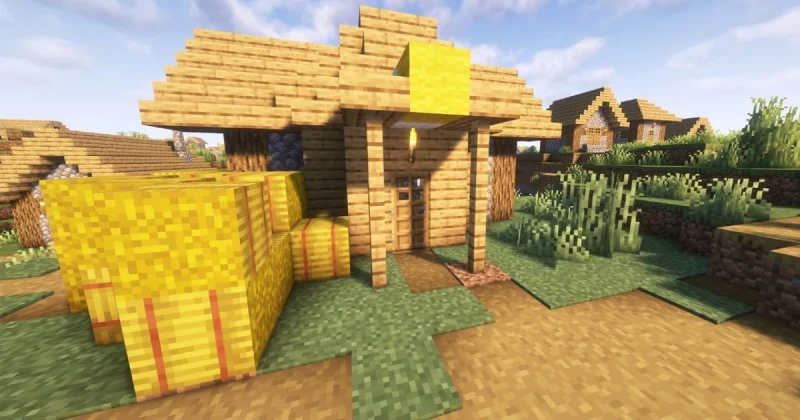
What Is a Minecraft Village and Why It Matters
Minecraft villages are naturally generated settlements inhabited by villagers, and they are one of the strongest early-game advantages in the sandbox survival game developed by Mojang Studios and published by Minecraft. In 2026, villages remain a top priority because they give you food, beds, tools, emerald trades, and a safe base of operations before nightfall.
A Minecraft village is a procedurally generated settlement that can spawn in several biomes and contains villagers, beds, job-site blocks, and lootable structures like chests, farms, and houses. Finding one early can dramatically improve survival by giving you food, shelter, and access to trading without needing to mine or craft everything yourself.
In practical terms, a village can turn a rough spawn into a stable start. Instead of spending the first ten in-game days scavenging for resources, you can secure beds to skip hostile nights, collect hay bales for food, and begin trading for gear like enchanted books, iron tools, and even diamond-level upgrades later on.
How to Find a Village Fast in 2026
If your search intent is simple—how to find a Minecraft village quickly—the best answer is to learn which biomes spawn them most often and how to move efficiently. Villages generate in Plains, Sunflower Plains, Desert, Savanna, Taiga, Snowy Taiga, and some snowy or windy variants depending on the world generation rules.
The fastest methods are still the most reliable: explore at high ground, use a map, follow roads and flat terrain, or create a seed-based route in creative mode before starting a survival run. If you already have Elytra or a fast mount, villages become much easier to spot because their farms, roofs, and torches stand out against natural terrain.
Best ways to locate a village
- Start in flat biomes like Plains or Desert, where villages are most visible.
- Climb hills, trees, or towers to scan for rooftops and farms.
- Travel along biome edges, since villages often appear where open land meets mixed terrain.
- Use a world seed tool if you want a planned route instead of pure exploration.
- Follow smoke, farms, and lighting at night, which can reveal houses from far away.
For players who want the easiest survival start, a village seed can be more valuable than a lucky diamond vein. If you are building a new world for a challenge run, keep a note of nearby village coordinates immediately so you can return after mining, exploring, or raiding a structure.
Village Loot, Trades, and the Best First Items to Grab
Village loot is often overlooked, but it can save hours. The first things you should take are hay bales, bread, apples, beds, composters, and any chest loot from blacksmith-style buildings or house interiors. Hay bales convert into a large amount of wheat, which is one of the best early food sources in the game.
Villagers are just as important as the loot. The trading system allows you to exchange items for emeralds, then use those emeralds to buy tools, books, armor, and utility items. This is where villages become more than a shelter stop—they become an economy that can power your progression through the mid-game and beyond.
Most valuable village trades
- Farmer: easy early emeralds from crops like wheat, carrots, potatoes, and beetroot.
- Librarian: enchanted books, bookshelves, and reliable endgame progression.
- Toolsmith: useful gear for early exploration and mining.
- Armorer: strong armor options once your village is established.
- Fletcher: easy emeralds from sticks, especially in the early game.
If you are optimizing a survival world, the librarian is usually the most important villager to protect. In the current 2026 meta, players still rely on trade routes for book enchants such as Mending, Unbreaking, Efficiency, and Fortune, because these dramatically outperform random loot from caves and dungeons.
What This Means for Survival Players
A village is one of the clearest examples of how Minecraft rewards knowledge over raw luck. Compared with games like Terraria, Valheim, or Don’t Starve, Minecraft villages are less about combat power and more about accelerating your resource loop. Once you secure a village, you reduce early-game friction and gain a repeatable source of food, trade, and safety.
That matters even more in hardcore-style play or challenge seeds. If you start near a village, your odds improve because you can create a bed, stock food, and build a wall before mobs overwhelm your base. If you miss the village and keep wandering, your first night can become much riskier than it needs to be.
What makes villages especially valuable in 2026 is flexibility. You can turn them into a trading hall, a raid farm hub, a crop farm network, or simply a safe town center for your survival world. For players who love efficient progression, a village is not optional—it is the backbone of a strong start.
How to Secure a Village Without Losing It
Finding the village is only half the job. Once you discover one, you need to protect it immediately from zombies, pillagers, and accidental villager deaths. The biggest mistakes players make are breaking beds, letting villagers wander at night, or ignoring iron golem protection early on.
Use the following checklist as soon as you arrive:
- Light up every path with torches or lanterns.
- Block off doors or create a perimeter wall.
- Claim a bed so you can sleep and set a spawn point.
- Fence in valuable villagers like librarians and farmers.
- Keep water and farms intact to preserve food production.
If you are planning a longer survival campaign, mark the village coordinates and build a quick nether tunnel later. That lets you return fast after mining trips or boss fights, which is especially useful if you play with friends and want a central hub.
Troubleshooting Common Village Problems
Why can’t I find a village near spawn?
Not every seed places a village nearby, and some biomes naturally spread villages farther apart. If your spawn is surrounded by oceans, jungles, mountains, or dense forests, move toward Plains, Desert, or Savanna biomes and scan from higher ground. Seed-based tools can also help if you want a guaranteed village location.
Why are villagers not trading with me?
Most villagers need a job-site block to work, and some trades require the villager to be able to reach it during their work cycle. Make sure the correct station is placed, the villager can path to it, and the villager is not locked into a bad position behind blocks or water.
Why did my village disappear or feel empty?
Villagers can be killed by mobs, raids, lava, falls, or even stray projectiles if the village is unprotected. In some cases, players also accidentally move too far away and assume the village is gone when it is simply outside render distance. Always use coordinates and secure the area early.
How do I make village trades better?
Lower prices often come from curing zombie villagers or maintaining reputation through good village defense. Keeping villagers alive, protecting them during raids, and refreshing trades with the right stations helps you create a stronger trading network over time.
Frequently Asked Questions
What is the easiest biome to find a village in?
Plains and Desert biomes are generally the easiest because they are open, flat, and make structures easier to spot from far away. Savanna biomes are also good because their terrain is usually less cluttered than forests or mountains.
What should I loot first from a Minecraft village?
Start with hay bales, beds, bread, and any chest loot in houses or blacksmith-style structures. These items give you food, emergency shelter, and crafting materials right away, which is ideal for a survival start.
Which villager trades are most useful in 2026?
Librarians remain the best long-term value because enchanted books can define your entire gear progression. Farmers and fletchers are excellent early for emerald farming, while armorers and toolsmiths help bridge the gap into mid-game gear.
Can a village help me survive my first night?
Yes. A village can provide a bed, food, and a safe place to wait out hostile mobs, which is one of the easiest ways to stabilize a new survival world. If you secure the area quickly, it can become your first real base.
Is finding a village still important in Minecraft 2026?
Absolutely. Even with advanced mining routes and automated farms, villages remain one of the best early-game advantages because they shorten the survival grind and unlock powerful trades that save time for the rest of the world.
If you are planning a new survival world or looking for a fresh Minecraft key, check TuniGamers for digital delivery and a quick start. It is a simple way to jump into a new seed, test village routes, or buy copies for friends who want to build a trading hub together.
Updated 18 Sep 2026
Related Posts

The Blood of Dawnwalker Armor Proficiency Guide 2026: How to Fix Heavy Armor Penalties
The Blood of Dawnwalker armor proficiency determines when Medium Armor and Heavy Armor stop draining stamina and slowing you down. Here’s how the Swordmastery skill tree works, what to unlock first, and how to avoid costly mistakes.

A game leaves Game Pass: what happens to DLC and saves?
Separate catalogue departure from subscription expiry before deciding what to buy or keep.

Reinstall Windows 11: protect files, activation and BitLocker keys
Prepare recovery without confusing repair, wiping a drive and buying another Windows licence.

Steam Cloud conflicts and Xbox saves: protect your progress
Identify the correct save and verify synchronisation before playing on another device.

Fortnite: identify your Epic account before linking a console
Find the account holding your progress and items before changing a console connection.