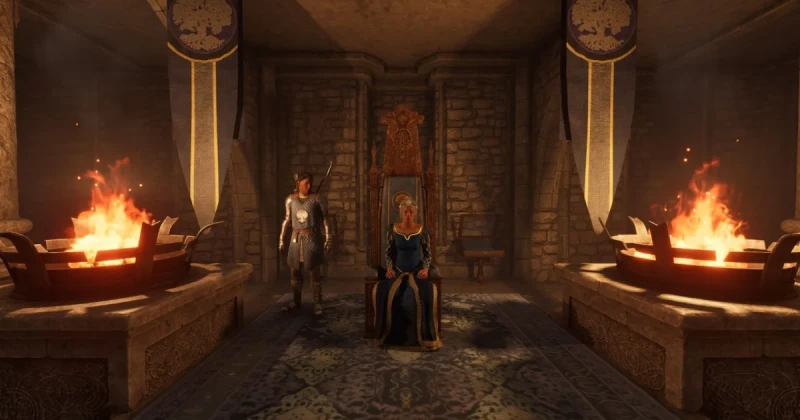
What Is Canvas the Castle?
Canvas the Castle is a detective-style side quest in The Elder Scrolls IV: Oblivion Remastered, an open-world action RPG developed by Bethesda Game Studios and published by Bethesda Softworks. The quest plays like a classic mystery: investigate a castle, question suspects, and use environmental clues to expose the art thief.
If you want the shortest possible answer: Canvas the Castle is completed by interrogating every suspect, inspecting the castle’s most obvious evidence points, and comparing statements against the clues until one character’s story breaks. The “correct” solution is not brute force; it is careful observation, because the guilty party can be identified from inconsistencies in their alibi and their connection to the missing artwork.
In practice, the quest rewards players who treat it like a courtroom puzzle rather than a combat mission. Unlike a dungeon crawl in Skyrim or a straightforward bounty hunt in Fallout 4, this one depends on dialogue order, note-taking, and using the castle layout to narrow down who had access to the stolen piece.
How to Complete Canvas the Castle Step by Step
The cleanest way to beat this quest is to work the castle in a strict loop: talk to everyone first, then sweep the scene for clues, and finally revisit the suspects with the evidence in hand. Because the quest is built around deduction, skipping a conversation can leave you with incomplete dialogue options and make the culprit harder to expose.
- Enter the castle and speak to the quest giver. Accept the investigation and ask every available question before leaving the initial room.
- Question every suspect. You are looking for contradictions in where they were, what they saw, and when they last noticed the art piece.
- Inspect the main clue locations. Check rooms with easy sightlines, display areas, private chambers, and any hallway leading to the suspected theft route.
- Read any notes, letters, or statements. In Oblivion Remastered, small text clues often matter more than flashy visual evidence.
- Return to the suspects. New dialogue usually appears once you have enough context, letting you press the weaker alibis.
- Accuse the character whose story conflicts with the evidence. If the option appears to protect someone else, only do that if you are intentionally roleplaying or want to test alternate outcomes.
If you are stuck, slow down and treat the quest like a problem-solving guide rather than a speedrun objective. The missing piece is often not a hidden item in a corner; it is a missed conversation line that unlocks the final accusation.
For players who enjoy methodical RPG systems, this is one of the more satisfying side quests in the remaster. It uses the same investigative spirit that made smaller mystery quests memorable in games like Disco Elysium, even though the presentation is still pure Bethesda: broad, explorable, and built around player choice.
Key Clues, Suspects, and What to Look For
The biggest mistake players make is assuming the guilty thief is obvious from the start. Canvas the Castle is designed to reward cross-checking, so every clue should be weighed against every statement. Even when a suspect sounds honest, their timeline may not match the movement of the stolen art.
When hunting the culprit, focus on three categories of evidence: access, opportunity, and contradiction. Access tells you who could reach the artwork; opportunity tells you who was nearby at the right time; contradiction tells you whose story falls apart once you examine the castle more carefully.
- Access: Which rooms or passages could the suspect enter freely?
- Opportunity: Was the suspect plausibly alone when the theft happened?
- Contradiction: Does their alibi conflict with another character’s statement?
- Behavior: Do they become evasive after you mention the missing art?
- Evidence trail: Does the stolen item’s path make sense from the scene?
Because Oblivion Remastered modernizes the original game’s visuals while keeping its classic quest design, the clues may be easier to notice but the logic remains old-school. That means the game expects you to listen carefully, reread notes, and mentally map the castle like you would in Morrowind or the best investigation quests in The Witcher 3.
If you are replaying after a long break, remember that remaster improvements do not usually change the quest’s underlying logic. The “answer” is still found by combining dialogue and environment, not by searching for a giant quest marker that solves everything for you.
Who Is the Guilty Art Thief?
The guilty party is the one whose account fails under pressure once you have gathered enough evidence from the castle. In most successful completions, the quest is solved by identifying the suspect whose movements, access, and testimony do not line up with the known path of the missing artwork.
Do not rush the accusation. If you accuse too early, you may miss optional dialogue, lose a cleaner resolution, or need to reload if you are aiming for the most complete quest outcome. The best method is to question everyone first, inspect every clue point, and then choose the suspect whose story contains the clearest contradiction.
That approach matters because Bethesda-style quests often give you multiple ways to roleplay the ending. You can sometimes cover for the culprit, expose them directly, or resolve the situation with a softer outcome depending on your dialogue choices. For completionists, the full investigation path is usually the most rewarding, especially if you want the quest log to reflect a proper deduction.
What This Quest Means for RPG Fans
Canvas the Castle is a good reminder that not every memorable RPG moment needs a boss fight. In a year full of massive open-world releases and fast-paced action games, this kind of compact mystery stands out because it asks you to pay attention, think, and roleplay a detective inside a living world.
That is one reason players still compare Bethesda quests to older immersive RPG design. Oblivion Remastered sits between the freedom of Skyrim and the denser roleplaying systems of older Elder Scrolls titles, while this quest leans into a structure that feels closer to tabletop investigation. It is small, but it is memorable because the solution is earned.
For gamers who enjoy quest design with real agency, this is exactly the kind of content that justifies revisiting the remaster. If you are building a new character in 2026, especially one focused on speech, stealth, or roleplay, this quest gives your build a chance to matter in a non-combat way.
And if you are picking up Oblivion Remastered or other RPG classics digitally, it is worth checking TuniGamers for game keys and instant delivery. That can be especially useful if you are stocking up on older Bethesda titles or want the best price before diving into another long fantasy campaign.
Troubleshooting Common Problems
I cannot find the final clue
Backtrack through the castle and recheck every interactable room object, note, and side chamber. In quests like this, the final clue often appears only after you have already spoken to the correct suspect or examined a specific evidence point in the right order.
The suspect dialog will not advance
If the conversation seems stuck, leave the area, wait a few in-game hours, and re-enter the castle. Bethesda RPG quest states can occasionally require you to refresh the cell or revisit the NPC after collecting another clue.
I accused the wrong person
Reload a save from before the accusation and compare the dialogue tree after gathering more evidence. This is the safest way to preserve quest outcomes, especially if you want to see the full resolution instead of forcing a wrong conclusion.
The quest marker is not helping
Use the castle layout itself as your map. Many investigation quests in Elder Scrolls games rely more on proximity and dialogue triggers than perfect waypoint guidance, so treat the markers as hints rather than the solution.
Frequently Asked Questions
How do you complete Canvas the Castle in Oblivion Remastered?
Question every suspect, inspect all clue points in the castle, and compare their answers against the evidence. The quest is completed by identifying the character whose alibi conflicts with the stolen artwork’s trail and the statements of the other NPCs.
Who is the art thief in Canvas the Castle?
The guilty art thief is the suspect whose story breaks once you gather enough evidence. Rather than guessing immediately, build the case first by checking access, opportunity, and contradictions in the suspects’ dialogue.
Can you cover for the guilty party instead of exposing them?
In some playthroughs, yes, depending on which dialogue options appear after you collect enough evidence. Bethesda quests often support roleplaying choices, so you can sometimes choose a softer or more deceptive outcome instead of a direct accusation.
What happens if you accuse the wrong suspect?
You may miss the cleanest resolution and need to reload an earlier save if you want the correct outcome. The quest usually becomes much easier once you have spoken to everyone and verified the clue trail against each suspect’s timeline.
Is Canvas the Castle worth doing in 2026?
Yes, especially if you like investigation quests, roleplaying, and classic Elder Scrolls side content. It is one of those smaller missions that shows why Oblivion Remastered still appeals to fans who enjoy thoughtful quest design instead of constant combat.
Updated 18 Sep 2026
Related Posts

The Blood of Dawnwalker Armor Proficiency Guide 2026: How to Fix Heavy Armor Penalties
The Blood of Dawnwalker armor proficiency determines when Medium Armor and Heavy Armor stop draining stamina and slowing you down. Here’s how the Swordmastery skill tree works, what to unlock first, and how to avoid costly mistakes.

A game leaves Game Pass: what happens to DLC and saves?
Separate catalogue departure from subscription expiry before deciding what to buy or keep.

Reinstall Windows 11: protect files, activation and BitLocker keys
Prepare recovery without confusing repair, wiping a drive and buying another Windows licence.

Steam Cloud conflicts and Xbox saves: protect your progress
Identify the correct save and verify synchronisation before playing on another device.

Fortnite: identify your Epic account before linking a console
Find the account holding your progress and items before changing a console connection.